
The Slaughter Panic Is Overblown
Trump can fire anyone he wants now—but Congress still holds the keys to the administrative state.

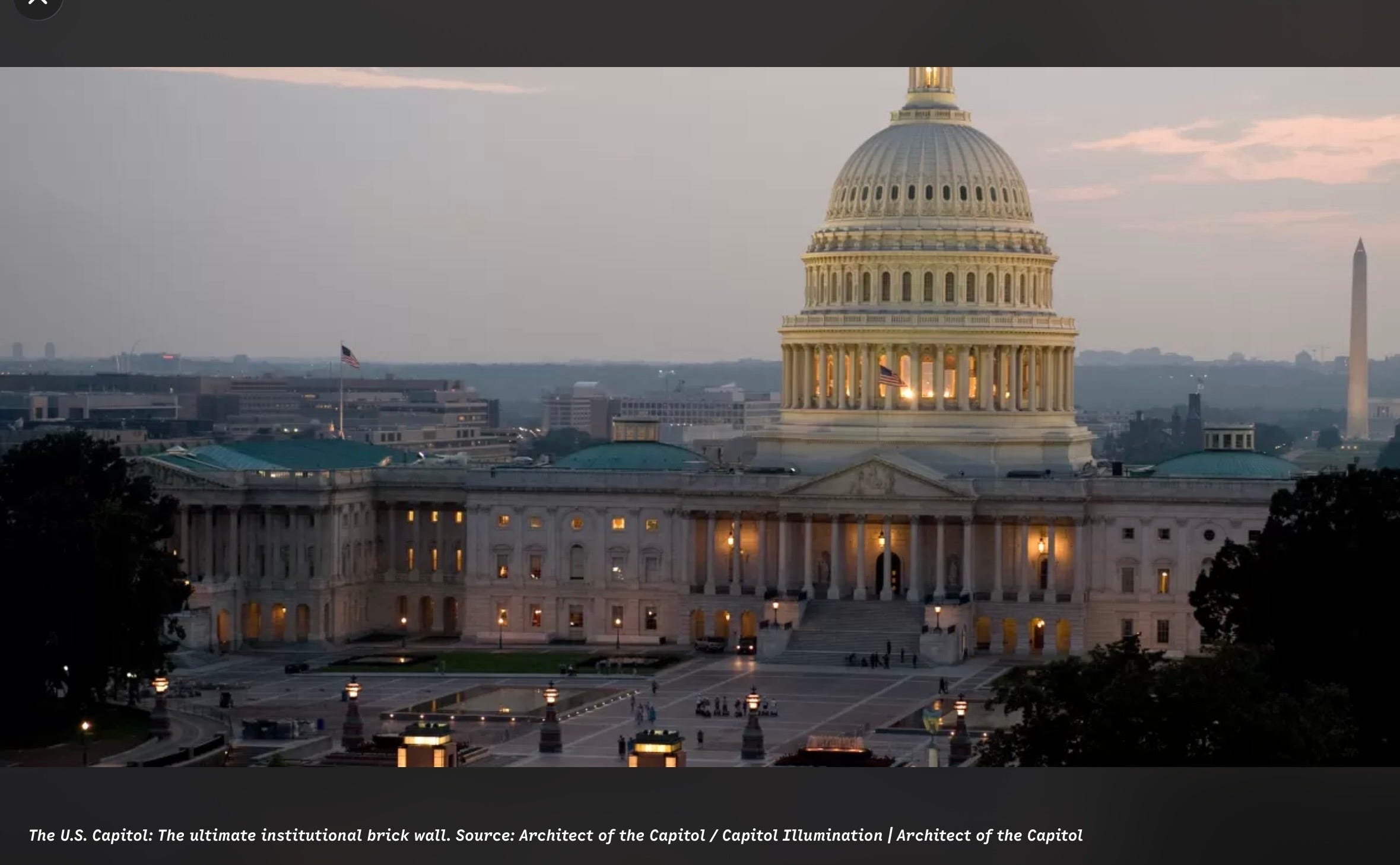
The panic over the Supreme Court’s Trump v. Slaughter decision is dominating headlines, but the commentary is missing the institutional reality. While the ruling expands executive control by allowing the president to fire independent agency commissioners at will—overturning nearly a century of precedent—the administrative state is not about to dissolve overnight. The sky is falling rhetoric ignores the formidable constitutional speed bumps that remain in place.
Even with the power to clear out independent boards like the FTC or NLRB, a president cannot simply install an army of permanent loyalists by fiat. Under the Appointments Clause, new permanent agency heads must still be confirmed by the Senate. If the upcoming January 1, 2027, term brings a divided Congress, any permanent nominee will require moderate or cross-party support to survive the confirmation process.
Predictably, the White House would rely on “acting” officials to bypass a stubborn Senate. However, the Federal Vacancies Reform Act (FVRA) severely restricts this maneuver. Under the FVRA, an acting official can generally only serve for 210 days from the date the vacancy occurred. While that clock can be paused or extended if a formal nomination is submitted and rejected, it is a strictly finite window. Furthermore, actions taken by an acting official serving past their legal limit are vulnerable to being struck down in federal court as void.
Moreover, Slaughter did not grant total executive dominance. In the companion case, Trump v. Cook, the Court pointedly protected the Federal Reserve, proving that the judiciary is still willing to draw a line around the nation’s core monetary policy.
Ultimately, Slaughter forces a structural pivot, but it does not dismantle the separation of powers. The president may now have a license to fire at will, but the structural power of the purse, the necessity of Senate confirmation, and the strict time limits of the Vacancies Act mean that Congress still holds the ultimate leverage. And, it appears likely that Democrats will control the House of Representatives and, possibly, the Senate as a result of the midterm elections. The institutional guardrails are bent, but they are far from broken.
A valuable corrective, and the constraints you name are real. One addition: those guardrails protect the leadership layer. For the two million career employees underneath, the guardrail is the merit system, and that is where the bending is furthest along. Within days of Slaughter, the board that reviews federal firings issued a joint rule with the personnel office whose actions it exists to review, apparently for the first time ever, proposing to drop fairness factors courts have upheld for 45 years.
So the structure may hold. The people inside it are taking the weight now. We wrote about Slaughter at that level here: https://usaidemployeesupportfund.substack.com/p/the-court-just-rewrote-the-rules
There may still be roadblocks but they are not meaningful until and unless the U.S. Senate is willing to stand up to an out of control executive. So far, Thune’s Republicans show no sign of that beyond an occasional meaningless rhetorical flourish. Come November, VOTE!